

I. Maintenance and Lubrication of Electric Motor
Routine Maintenance:
Conduct routine maintenance every three months, including cleaning the motor surface and inspecting the firmness of motor wiring.
Perform a major overhaul annually to check for wear and aging of internal motor components, and replace or repair them as necessary.
Lubrication and Cleaning:
Regularly inject lubricating grease into motor bearings to ensure smooth operation.
When motor noise increases, promptly inspect the bearings and replace damaged ones.
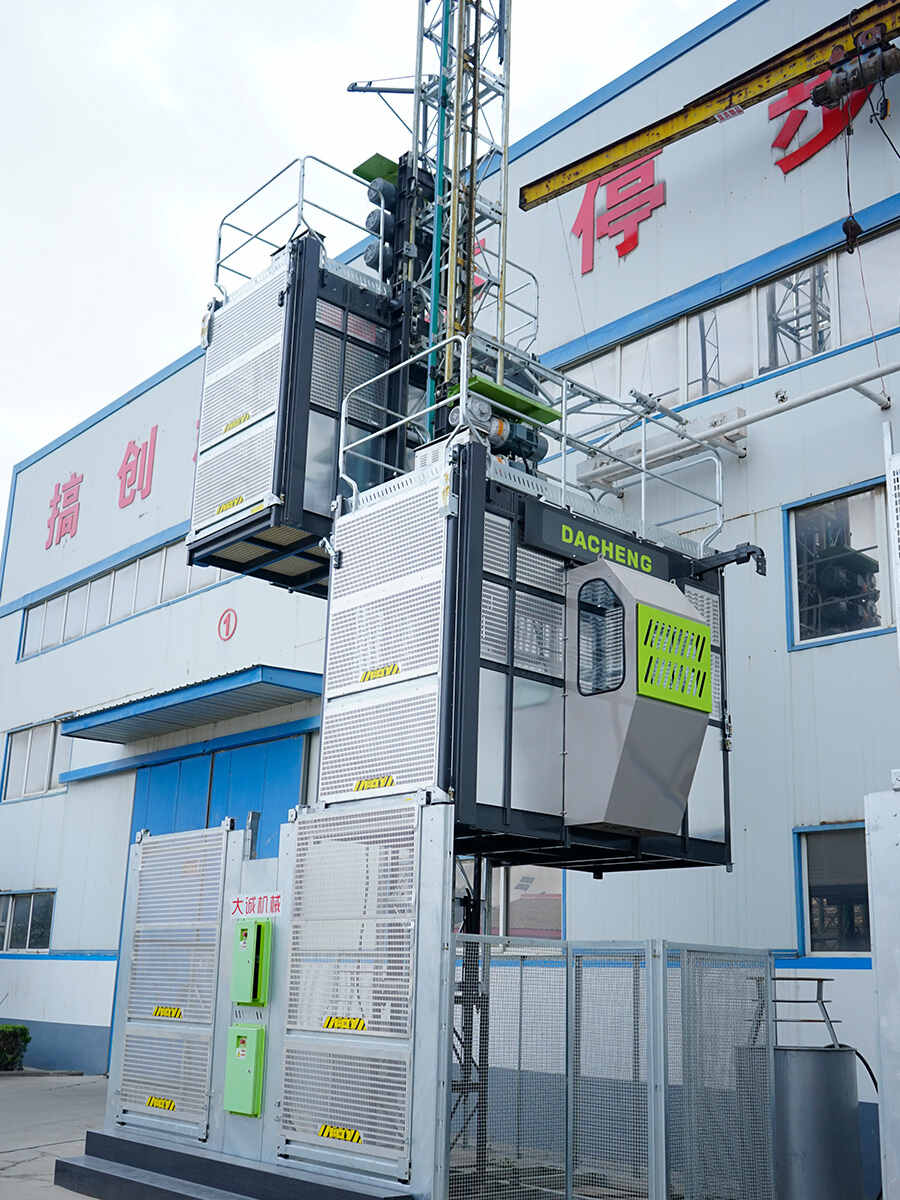
Brake Maintenance:
The four check devices of the electric brake must operate synchronously; any jamming should be resolved immediately.
Replace the brake disc immediately when its protrusion from the base surface is less than 1mm to ensure braking effectiveness.
Maintain a safe distance of 6–7mm between the rear release handle of the brake and the nut, and lock it in place with an open pin to prevent brake failure.
II. Maintenance and Lubrication of Speed Reducer
Lubricating Oil Selection and Replacement:
The speed reducer uses N320 worm gear lubricating oil, and the oil level should be filled until overflowing.
Replace the oil with new oil after 7–14 days of initial use, and then every six months.
Temperature Monitoring:
If the oil temperature exceeds 100°C or abnormal noise occurs during operation, stop use immediately, identify and resolve the issue before resuming operation.
III. Comprehensive Inspection of Transmission Mechanism
Regular Inspection:
Regularly inspect all components of the transmission mechanism, including gears, chains, sprockets, bearings, etc., to ensure they are intact and operating normally.
Safety Device Inspection:
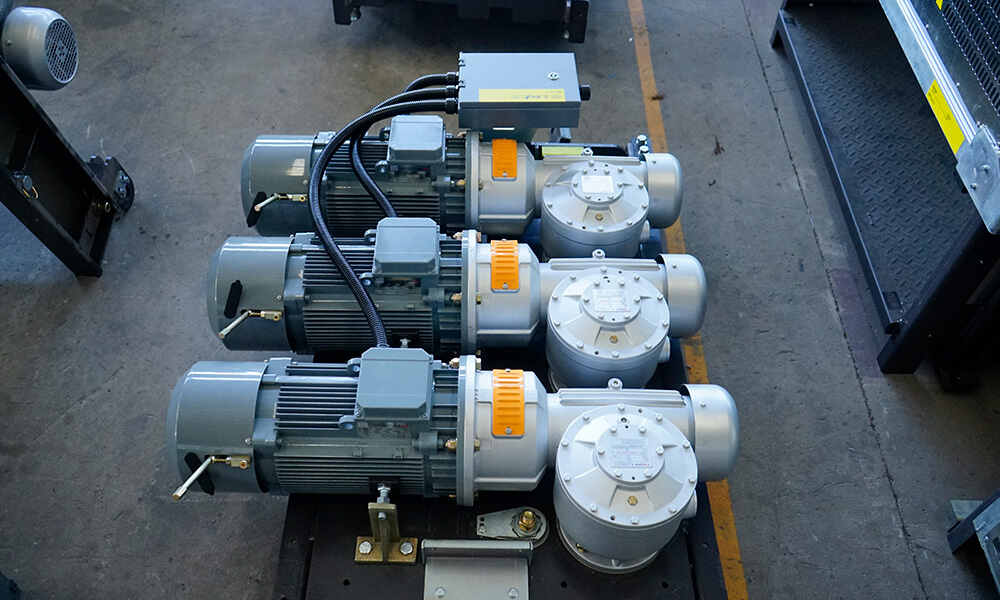
Regularly inspect safety devices of the transmission mechanism, such as emergency stop buttons, safety ropes, limit switches, etc., to ensure proper functionality.
IV. Other Precautions
Operation Specifications:
Operators should follow operation procedures to prevent equipment damage or safety accidents caused by overloading or improper use.
Training Management:
Operators should receive professional training to understand safe operation methods, inspection and maintenance knowledge, and emergency response skills.
Record Management:
Maintain records of each maintenance and lubrication, including time, content, personnel, etc., for future reference and tracking.